
Today, OpenRouter announced that they have entered into an agreement to be acquired by Stripe, three years from when it was launched in 2023.
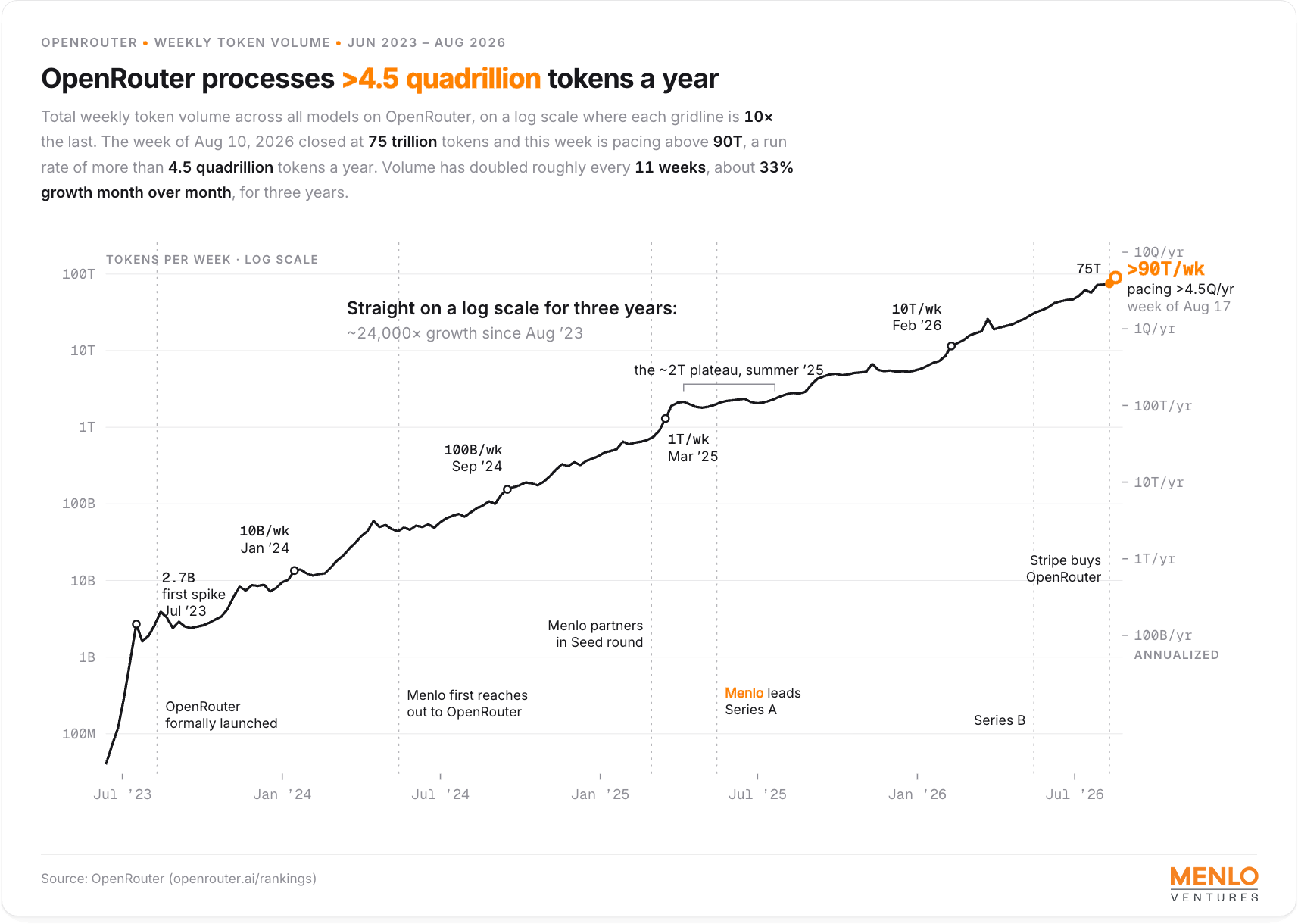
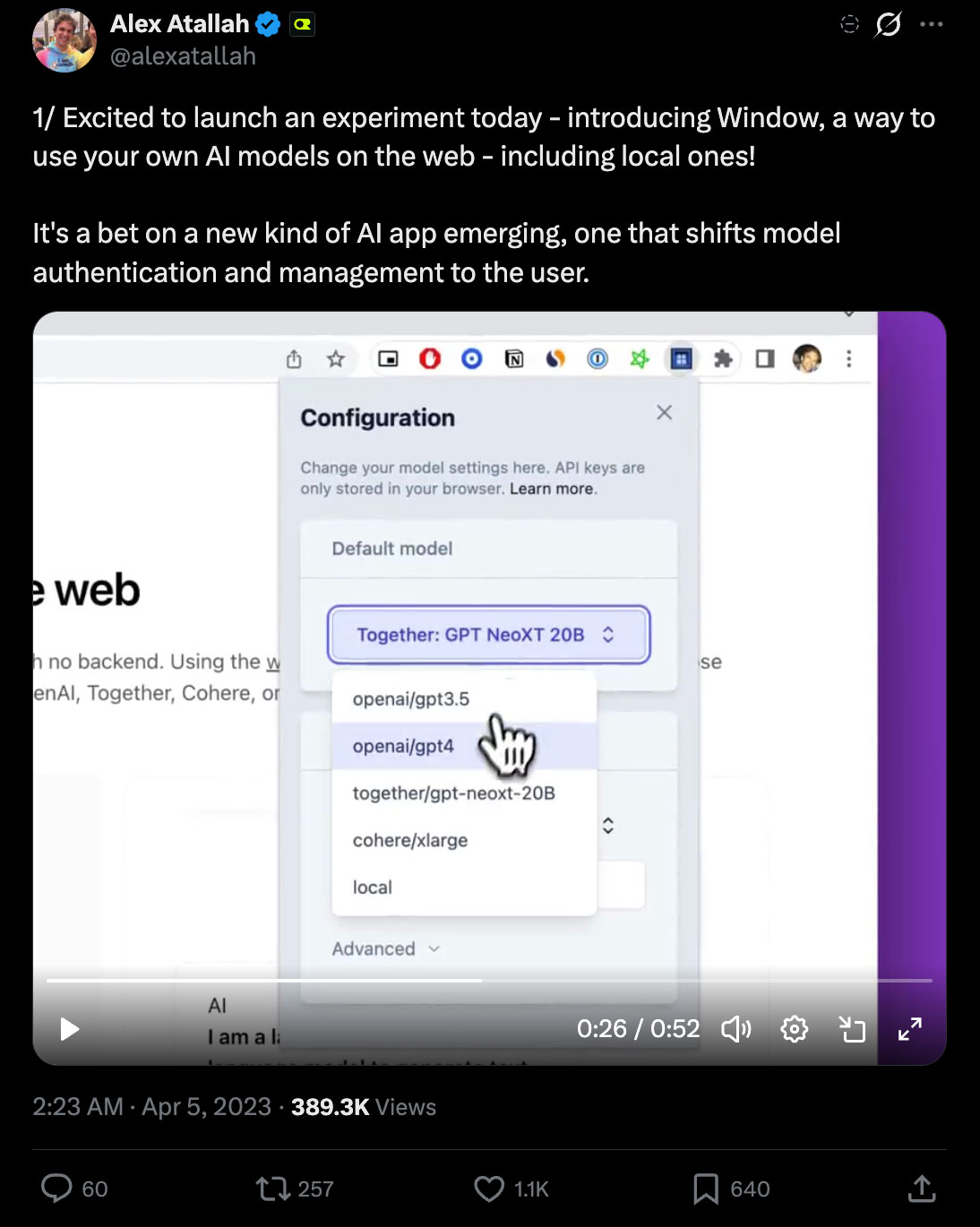
OpenRouter launched as “the unified interface for LLMs” with only four models (GPT-3.5, GPT-4, Together’s GPT NeoXT, and Cohere xlarge) and two core bets: 1) AI usage will be massive and ubiquitous, and 2) there will be plenty of different models with their own sets of tradeoffs that users will want. Both of those things ended up being overwhelmingly true. Since their launch, token usage on OpenRouter has grown ~30,000x to a 4.5+ quadrillion-token annual run rate with a shockingly high spend on the platform. From a mere four models, OpenRouter now supports over 500!
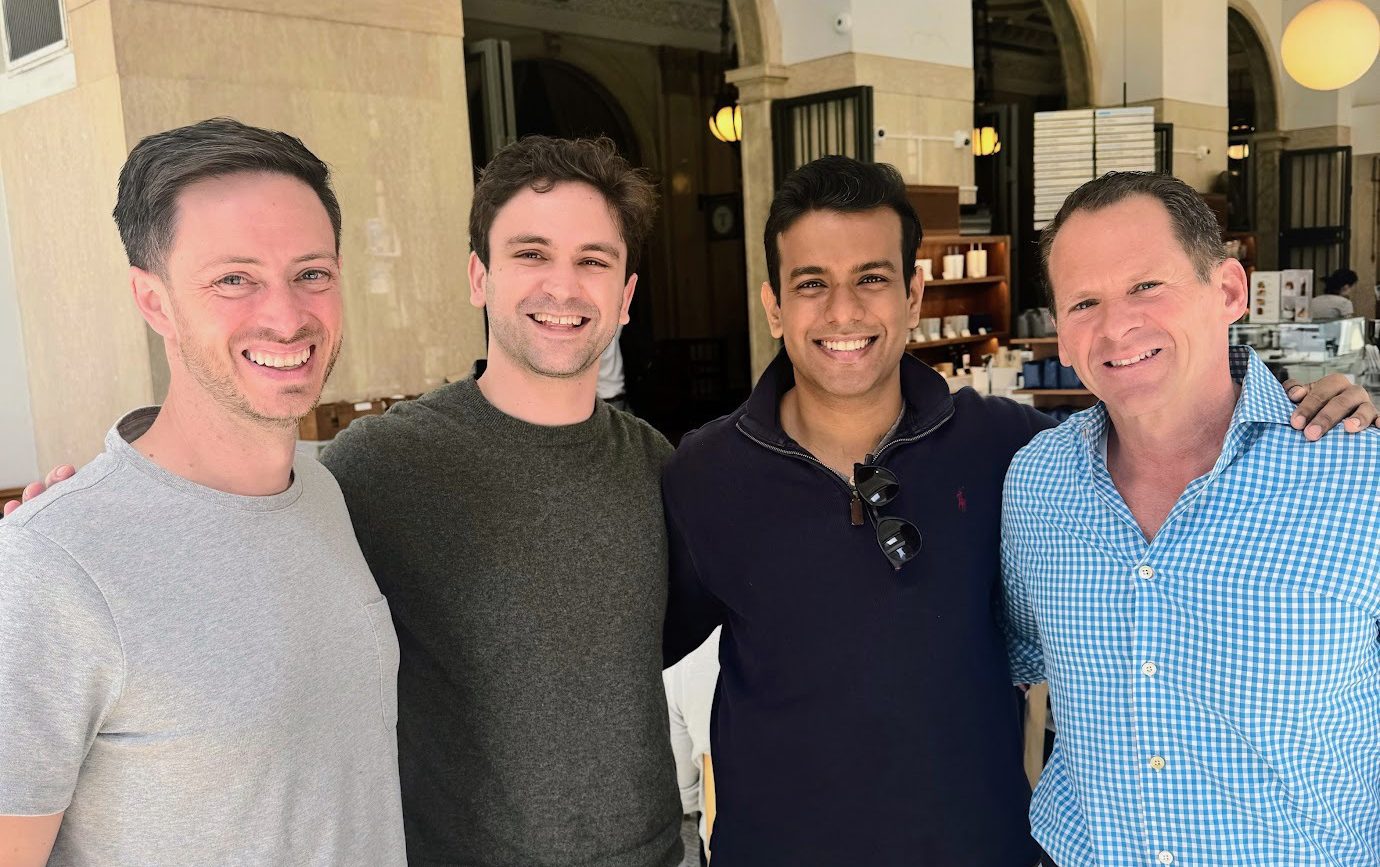
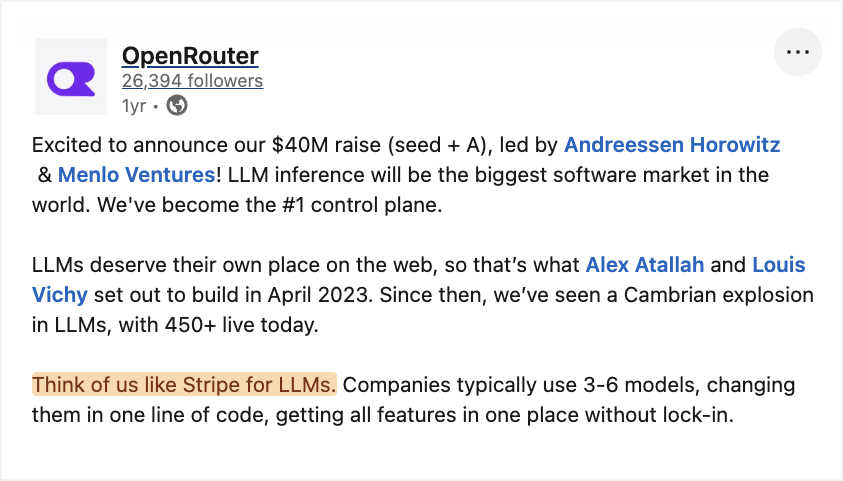
We at Menlo Ventures were fortunate enough to partner with this incredible team at the seed round in March 2025 through our Anthology Fund, in partnership with Anthropic. Founder and CEO Alex Atallah was formerly the founder of OpenSea, once valued at $13.3B. His co-founders were hacker extraordinaire Louis Vichy, whom he’d met on Discord, and the ferocious execution machine, COO Chris Clark. We led their Series A in May 2025, with Matt joining the board and Deedy joining as a board observer. We then doubled down in their Series B earlier this year after seeing the explosion in both their customers and revenue, as well as a compelling roadmap to provide model intelligence. In technology, often it takes years of belief for an idea to become the consensus. That happened a few weeks ago, when over 10 different companies, from Ramp to Cursor, launched their own routers. In a short amount of time, OpenRouter has become one of the most important companies of the AI era.
Stripe, at the outset, may seem like an unlikely acquirer for OpenRouter, but the similarities are uncanny. Both are drop-in APIs that simplify complex transactions with a take rate. The latter just does it solely for AI models. Together, true to Stripe’s mission, they increase the GDP of the internet.
Why We Invested in OpenRouter
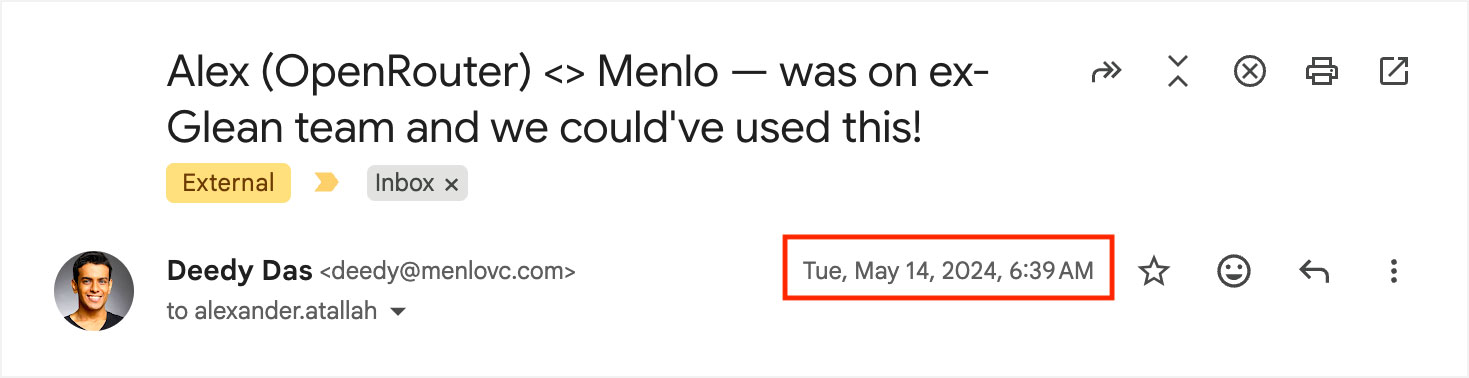
OpenRouter was one of the first companies Deedy met after joining Menlo in 2024. The product sat squarely in the center of our AI infrastructure thesis. Menlo’s 2024 Enterprise AI report states two of the core beliefs we held when investing in OpenRouter: that AI spending would rise dramatically and that developers would adopt multiple models.
It was very clear to us, who ourselves code and use these models, that there are radically different cost, latency, and performance tradeoffs between them. You don’t necessarily need the frontier intelligence of Fable when you’re doing a simple NLP task of identifying entities in text. But it’s also too cumbersome for users to go into each different model company’s website, create an account, figure out how to create a key, make sure they keep the key safe, make sure they align to that model’s slightly different API endpoint spec, and then do model management themselves. A central gateway might seem simple, but it’s actually deceptively difficult infrastructure that few would want to build and maintain.
In venture, we often talk about moats, but purely in the technical sense. OpenRouter had a classic moat of scale—more users, greater ability to predict demand and handle load, easier to scale contracts with labs and have predictable demand for tokens—eventually getting to a place where new model labs want to list on OpenRouter first for distribution. One of the things we’ve observed ever since the acceleration of software startup formation with vibe coding being ubiquitous is that, to break into enterprise, buyers end up choosing the product that has already won the hearts and minds of the developers at their companies. Think about Anthropic, OpenAI, xAI, Cursor, Cognition, ElevenLabs, Lovable, Fireworks—all of them won the developer first! So did OpenRouter.
Since investing:
- OpenRouter now processes 30,000x the number of tokens they did at launch, growing 33% MoM for three years and consistently doubling every 11 weeks.
- The model landscape exploded with fantastic open-source models from China (DeepSeek, GLM, Kimi), Grok, Meta, and Thinking Machines. OpenRouter supports over 500 models on over 80 providers for 10M users.
- Big, new models often launch on OpenRouter first, including OpenAI, X, and Meta. Mark Zuckerberg, who rarely tweets, much less about other products, announced Muse Spark on OpenRouter, as did Elon Musk. OpenAI gives exclusive discounts through OpenRouter, like with Terra and Luna.
- Their product-led growth motion converted into one of the fastest sales cycles we’ve seen for their enterprise product, which allows you to provision, control access, and manage AI budgets within your org.
- Because OpenRouter could negotiate contracts across providers, it has the highest uptime of even frontier models.
The OpenRouter Origin Story and Journey
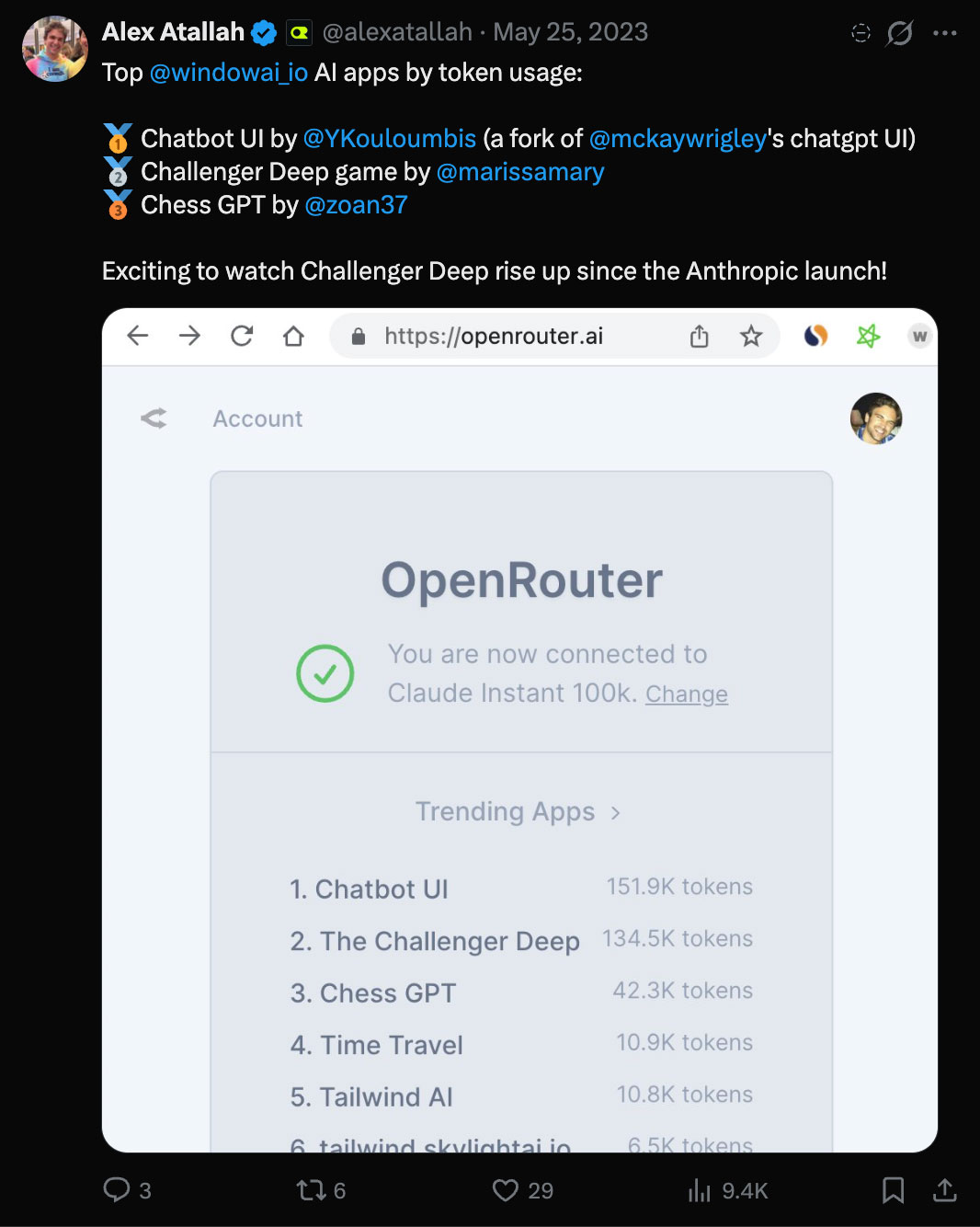
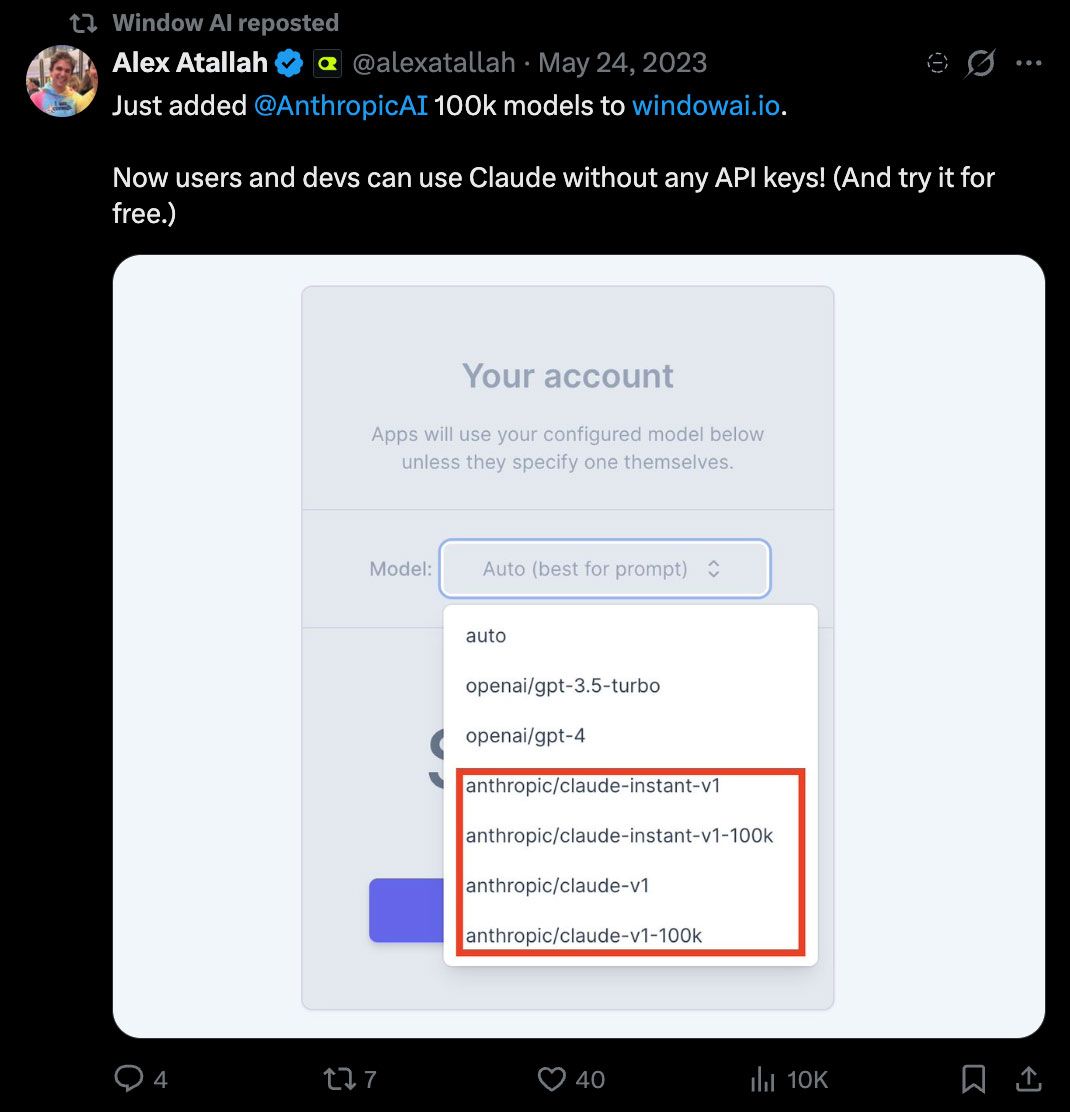
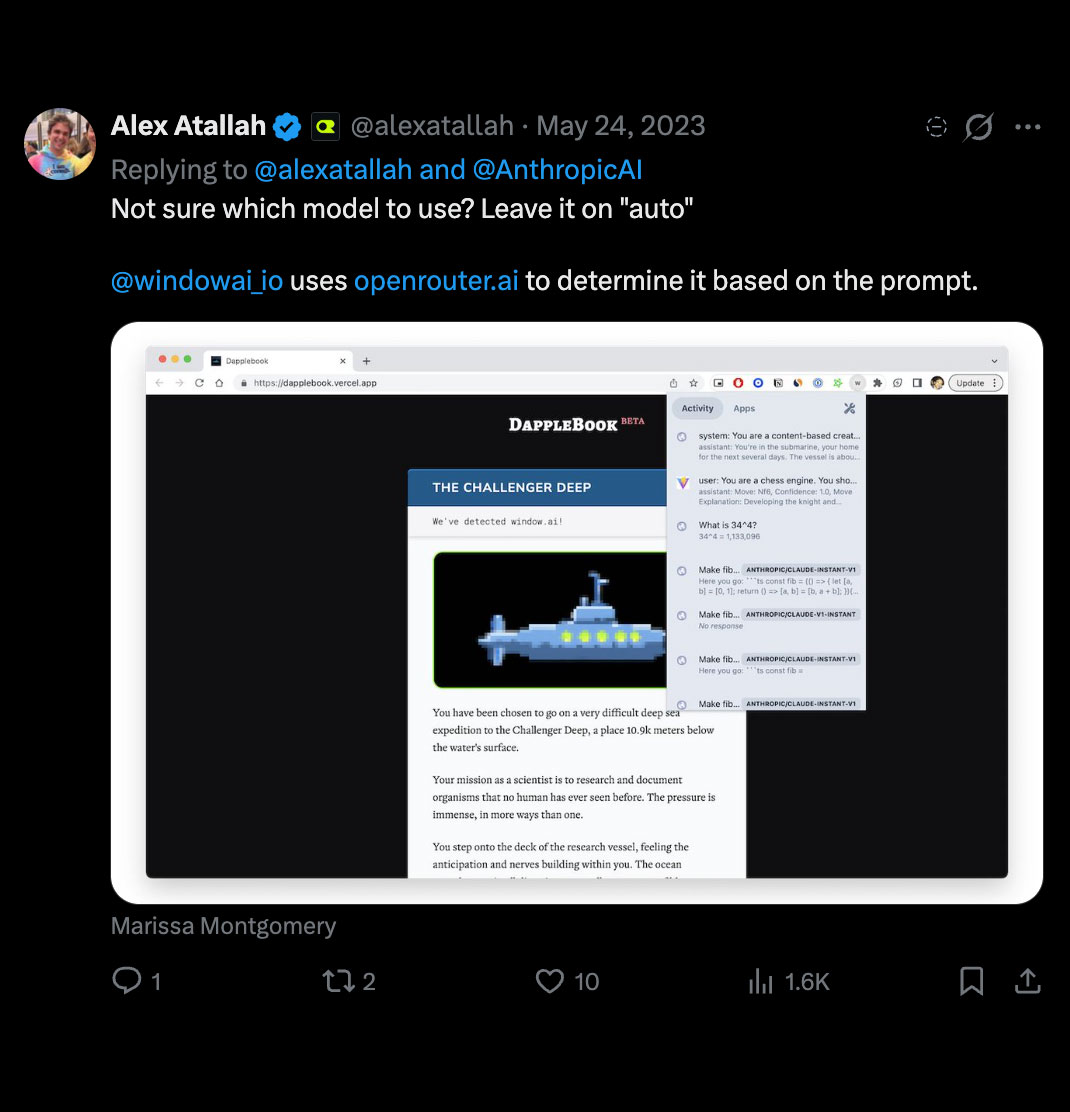
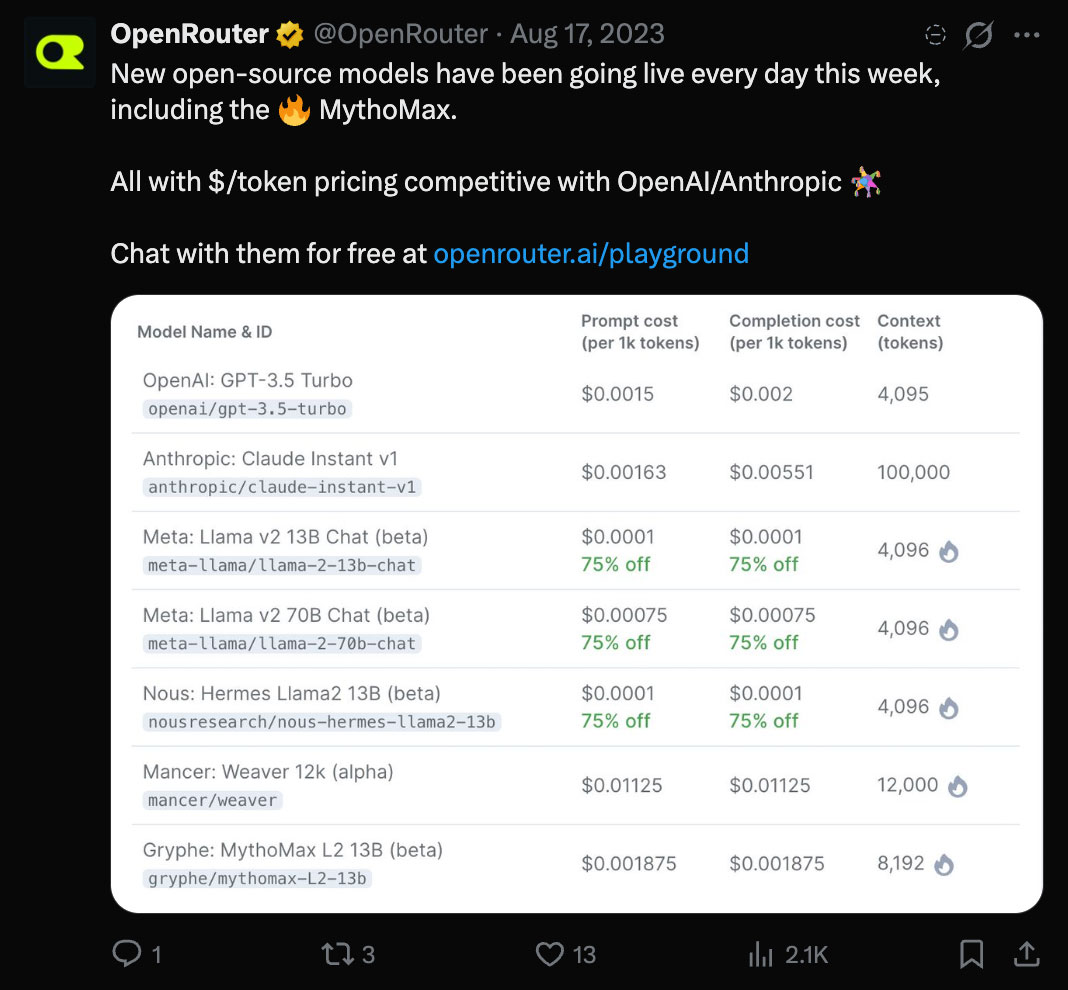
Any tenured startup builder will tell you that the path to finding product-market fit is never linear. Such was the case at OpenRouter. In fact, OpenRouter’s roots trace back to April 5, 2023 when they launched as Window (windowai.to), a Chrome extension that let you use multiple models at once for various chat apps on the internet. The idea was to prevent vendor lock-in but not have to give apps your API keys to use multiple models. It was inspired by how crypto wallets work—a testament to Alex’s former experience with OpenSea—and supported four models at the time. The first commit to the Window GitHub repo that referenced “OpenRouter” was on April 24. A month later, they added their first Anthropic v1 models, enabled auto routing to the right model based on prompt, and built their now widely recognized rankings page with the name OpenRouter.
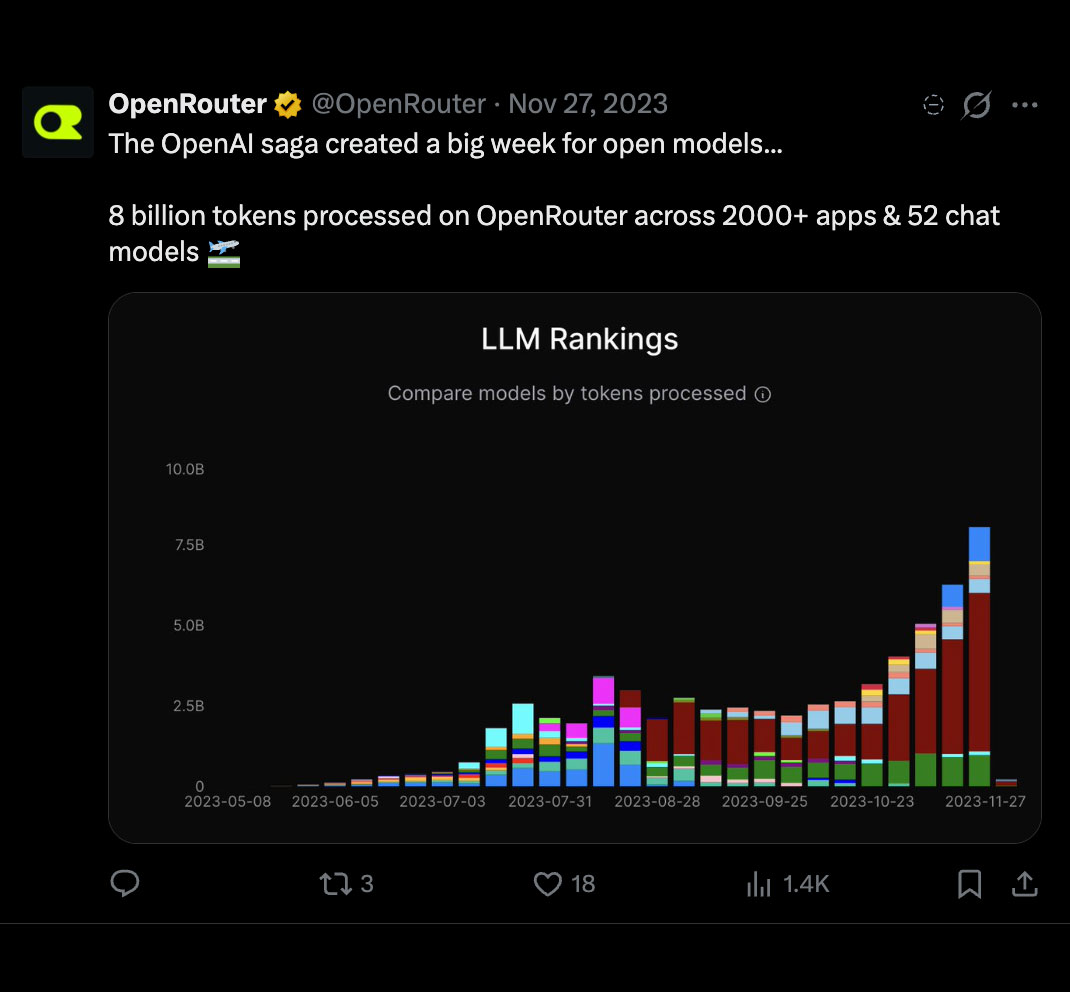
The official OpenRouter rebrand happened on Aug 10, 2023 with the tagline, “A unified interface for LLMs,” when they were doing about ~3B tokens/week. The models on the charts then were unrecognizable from the models we have today. They pushed Playground, a single chat interface where you could get responses from multiple models in one place. By November, they’d hit 52 models, 2000+ apps and ~8B tokens/week. This was product-market fit!
On the Future of Routers
Contrary to popular belief, OpenRouter’s primary product is not routing tokens; it’s being the best AI gateway. While they do offer an Auto Router, most developers primarily come to OpenRouter to get access to all the different models and make routing decisions themselves. Recently, the burgeoning costs of enterprise LLM spend have become an increasing problem for companies like Uber, Coinbase, and Microsoft. The idea of a router as a panacea to cost is compelling: Why should I use the most expensive model for every subtask of my agent run when I can just route easier tasks to cheaper models? In the last few weeks, the industry has seemingly woken up to this idea simultaneously. Over 10 different companies launched their own routers, from Ramp to Cursor and more.
However, routing based solely on the prompt is actually a bit of a fool’s errand. In the world of agents, when you’re doing a long-running task, you need a lot of context to make sure the prompt goes to the right model. “Find this file in the codebase” could be a task for a cheap, simple LLM or a frontier one depending on the size of the codebase and what the original context is. In a multi-step agentic task, the cost of a router doing the wrong thing compounds downstream, leading to much worse-quality results. The fundamental basis of a differentiated router product is a great unified API with a lot of users already. These users have allowed OpenRouter to silently pick up one of the most expansive datasets of prompts, models for those prompts, contexts around those tasks, and the final results. When used in real production settings, OpenRouter now serves as the best way to mitigate costs by doing routing while genuinely preserving quality. You won’t have to hack around messy evals or continuously update your prompts. You can log in to a dashboard and all it says is, “You can save $100K a year by switching to Muse Spark over GPT 5.6 Sol in this part of your codebase where you use it primarily for summarization. We’ve run the eval for you automatically already!” That is the future of routers.
Stripe + OpenRouter
Stripe and OpenRouter share a similar heritage. Both companies started by winning the developer before moving upmarket. Both companies share a simple, bold design language. Andrej Karpathy called OpenRouter the “transfer switch” of AI, just as Stripe became the switch for payment processing.
The acquisition also marks one of the first large infrastructure outcomes of the AI era. It won’t be the last. The building blocks for managing models, cost, and compute now exist, and they’re letting generational companies form faster than ever. Congratulations to Alex, Chris, Louis and the entire team for building the definitive marketplace for AI models. Stripe set out to grow the GDP of the internet. As of today, that includes intelligence.
Menlo is actively investing across the AI infrastructure stack, from the closed model ecosystem (Anthropic), open model ecosystem (Goodfire, OpenRouter), core software infrastructure (Fireworks, Modal) and next-generation physical infrastructure (Gimlet). If you’re innovating in the AI infra stack, we’d love to hear from you.

Matt is a partner at Menlo Ventures and invests multi-stage across AI infrastructure and AI-native software. Since joining Menlo in 2015, Matt has led active investments in Anthropic, Lovable, Openrouter, Harness, Carta, Legora, Benchling, Grow Therapy, Semgrep, Skild, Armadin, Mimic, Netlify, True Anomaly, Envoy, Hover, Vivun, and Zylo. He formerly served on…

Deedy is a partner at Menlo Ventures focused on early-stage investments in AI/ML, next-generation infrastructure, and enterprise software. Having been an engineer and product leader at both a successful startup and large public companies, Deedy is well-equipped to help technical founders navigate how to build and scale enduring tech companies.…